
Aside from the quality of hair products and techniques we use on our hair, another important aspect of having healthy hair lies within the types of foods we eat. The quality of food we put in our body is reflective in the rate at which the hair grows, as well as the look and feel of the hair. Yes, the popular phrase “you are what you eat,” really does have meaning. So, if you’re looking for ways to naturally improve the overall health of your hair, all you need to do is pay a visit to your local supermarket to stock up on quality food items such as the ones listed below.
Please note that you don’t have to eat every single one of the food items listed here in one day. The most important thing is for you to include a variety of these food items in your daily diet. A majority of these food items are affordable and can be included in most diets.
- Beans: Packed with protein, zinc, iron and biotin, beans and other legumes provide the hair with the protein it needs to stay strong. If you’re not into taking supplements such as biotin vitamins, beans also provides an adequate amount of biotin which help stimulate hair growth without the side effects of which the supplement itself often produces.
- Beef: Contains an abundant amount of protein, which the hair needs for optimal hair growth. If you’re on a low fat diet, you can opt for lean beef or substitute beef for other protein packed foods such as beans, fish or chicken.
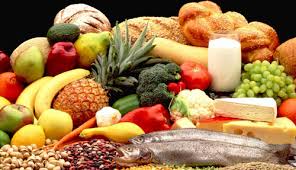
- Poultry: Like beans, poultry products such as chicken and eggs are also packed with protein and biotin. Protein deficiency in one’s diet can result in weak brittle hair and a loss of hair color. Ovo-vegetarians can eat whole eggs instead of chicken.
- Salmon: Loaded with omega-3 fatty acids, protein and iron, salmon ensures the scalp produces an adequate amount of oils which will help prevent against dry itchy scalp. Omega-3 fatty acids are essential to our diet because our body doesn’t produce them and so they must be consumed.
- Oats: They provide the body with an abundance of vitamins and minerals which prevents hair loss and stimulates hair growth. Oats also contain a good amount of B vitamins, zinc, protein, copper, potassium, and iron, all of which work together to ensure optimal hair growth and an overall healthy body. For a supercharged breakfast, you can mix 2 tablespoons of flax seeds and walnuts in your bowl of oatmeal in the morning.
- Carrots: They contain an excellent source of beta-carotene which the body converts into vitamin A. Vitamin A promotes healthy sebum production which ensures a shiny head of hair. To get the most benefit, eat your carrots raw, either as a snack or in a salad, you can also juice or blend it with other fruits.

- Sweet Potatoes: like many orange colored foods such as carrots, sweet potatoes also contain vitamin A which helps the scalp produce the oils that keep the hair from drying out and breaking off. Vitamin A also fights free radicals that can weigh the hair down and promotes the growth of healthy cells and tissues which aids in healthy hair growth.
- Nuts: such as walnuts contain omega-3 fatty acids which are known to condition the hair through oils produced in hair follicles. Walnuts, along with cashews, pecans and almonds also contain a good amount of zinc which help to reduce shedding and stimulate hair growth.
- Seeds: such as flax seeds contain plant-based omega-3 fatty acids which promote a healthy, conditioned scalp by ensuring that the follicles in our scalp produce an adequate amount of sebum, which ultimately increases hair elasticity, strength and thickness.
- Spinach and other Dark Green Veggies are packed with vitamins A and C, which our body needs to produce sebum. A deficiency of these vitamins can result in dry brittle hair and a loss of overall luster. Spinach also contains a high percentage of water which can aid in keeping the hair hydrated.
As you might have noticed, many of these foods contain nutrients which help regulate the production of sebum, an essential oil which keeps our coils in its best state as it grows out of the scalp. An adequate amount of sebum can help to reduce the amount of hair products applied to the hair and scalp. However, a deficiency will have you reaching for your scalp oil, leave-in and deep conditioner more often than necessary. Eating right will not only keep your body in its best state, it will also help you stay on your hair budget by reducing the amount of products used.
The key is to have a diet that contains lean protein, fruits, vegetables and whole grains. So the next time you find yourself experiencing any hair issue such as growth, breakage, dry/itchy scalp, or dullness, you should assess your diet to see if it contains a majority of these power foods. And if it doesn’t, then you better get cooking.
Have you experienced a difference in hair quality based on your diet?



17 Responses
Great article. I totally agree. Funny thing is that what started off as a quest for healthy natural hair has in a way metamorphosed into a wider quest for a healthier body. In the end, I see more and more how everything is interconnected.
I’m always looking for creative new healthy recipes, should anyone know how to incorporate flaxseeds into a recipe, would love to hear it! Good day, ladies!
Eating these healthy foods are good for your entire body, not just your hair! I hope that people look to eating more whole foods to not just look good, but to feel good and to live a long healthy life! It still surprises me how much oats are good for you!
I completely agree with you! a healthy hair means a healthy body overall, so these tips also works for the entire body.
@primmestplum, Flax seeds are actually meant to be eaten, lol! I also add flaxseeds to my cookies, cereal, fruit salads, vegetable salads and pretty much anything I can think of. But I mostly enjoy having them with my oats, as they add a bit of crunch to your food.
@Lovely, eating rainbow colored foods is definitely the best way to go, they’re not only healthy, they’re also pretty to eat 🙂
@Jacky, thanks for the compliment. I wore a head wrap and left a bit of my hair out 🙂
Thank you for this article. I am water only, so healthy sebum production is very important to me. Will definitely be incorporating more healthy foods in my diet.
I love spinach and I wish my parents would follow these tips! so I am glad to be getting my own place soon, I can buy the rainbow and all the healthy good stuff without hearing my parents nag and whine.
Totally understand your pain…my parents were the same way before I moved out.
“Always running up the damn grocery bill asking for hippy-dippy food.”
When I grocery shop, I make sure I “buy the rainbow” from the produce and unprocessed section: RED-watermelon, apples, tomatoes, cherries or cranberries, beans, etc., then ORANGE–oranges, carrots, orange bell pepper. Then YELLOW-squash, bananas, lemon, peppers, etc. GREEN-greens (the obvious ones like collards and mustard greens), lettuce, green bell pepper, avocado, kiwi, cabbage, brussels sprouts, grape, asparagus, kiwi, green beans etc.
BLUE/Indigo/VIOLET– blueberries and purple cabbage, grapes, etc.
Nice article, thanks for posting. I’ve got it all down except the fruit part #NeedToGetMoreFruit #I’mOnIt! By the way, i love the writer’s hairstyle in the picture after the article( where they wrote about her ).
This is a great list. Being vegan, the meat is a no go but so glad there are so many other options. The flaxseeds addition into the oatmeal is something I’ve never thought of before lol I’ve been using my flaxseeds for hair gel a la Nap85 lol Thanks!
Hey. There are many great plant-based sources of protein that even have a higher percentage of protein than meat. Tofu, tempeh, nuts, seeds, grains, pseudograins (like quinoa), and leafy greens are some examples and way more beneficial health-wise than meat.
Yass!
Breakage galore until I realized I was eating rookie food! So I took that money and upped my daily calcium game with cooked greens, bone broth and blackstrap molasses. The same with iron, protein and DHA/EPA (Omega-3), by way of wild-caught salmon, whitefish, mackerel and trout and also grass-fed meat and spirulina.
I get probiotics through kombucha and kimchi (and any fermented vegetables) and also regulate my gut with lemon water. I switched to domestic EVOO and back to animal grease and fresh spice on my food. And I do green smoothies with added cacao powder, spirulina and blackstrap molasses so I no longer buy pricey, soy-ridden protein shakes and my choco-cravings and sweet tooth are neutralized.
My inspiration came from pictures of my southern mother who weighed 100lbs in the 50s, 60s and 70s just like all her relatives and friends by eating FRESH FOOD! Stuff you grew, caught and killed on your own land! NOT this fake, battered, additive and grease-laden crap that revisionist historians call “soul food” and SWEAR Black folks have been eating forever. Recent generations have completely corrupted this phrase. Black migrants from the south who settled in NY, Chicago and Detroit coined the term ‘soul food’ from the memory of the fresh, staple food they knew from the south – it didn’t look or taste like Popeye’s and KFC!
My mother was raised on seasonal fruits and vegetables THEY GREW, fish and chicken THEY RAISED AND CAUGHT, animal fat collected in a coffee can on the stove and the occasional corn meal. Everything else was expensive until the 80s when the last farmers were paid NOT to farm their land and marketers convinced poor people that shiny, brand-name supermarket food meant they were movin’ on up to the middle-class. They didn’t have frozen pizza, canola, sugary deli meat, canned tuna with soy fillers, white bread, margarine, doritos, kraft singles, yogurt with fake fruit on the bottom, snickers and pepsi. Look at pictures of Black people (Whites too) up until the 1970s, then look at the change from the 1980s-until today.
Elle, do I know you? lol…Everything you said about what black folks used to do and eat sounds like it could have come out of my Southern-raised father’s mouth. In fact I remember being a kid and wondering why my Southern-raised maternal grandmother didn’t like McDonald’s. I bet she wondered why I did!
People act like this ish is complicated when it’s really not. Media and corporations have really messed up a lot of heads regardless of hair texture and scalp color, lol. It’s amazing to me that so many people out here don’t even know how to COOK. Simply learning how to cook your own meals, using whole foods, gets you halfway there IMO. (I already know folks are going to talk about having the time, to which I’m going to quote my Southern-raised dad: You make time for what’s important.)
Partly because I wanted to prove to myself that I could eat well on a restricted budget (and partly because I was unemployed and HAD a restricted budget, lol), I’ve been making a big pot of black beans and rice every week since the beginning of April. (Basic ingredients: onions, garlic, black beans, tomatoes, corn, spinach, rice. Seasonings vary.) I’ve been eating it for breakfast and sometimes also for lunch pretty much every day. My nails have NEVER been stronger…and since I know that nails and hair are made up of the same thing and are created basically the same way, I’m pretty sure the same is true for my hair. I also saw a growth spurt but since I get those at different times of the year I’m not sure I want to attribute it entirely to the food.
I’m about to start a new job but I plan to keep going with this, not just for my hair, but for my overall health.
Preach Girl.
I like “You make time for what’s important”
It really isn’t that complicated but there is so much ignorance out there. Last week, the cashier at a grocery store asked me if the fresh mangoes I was buying tasted as good as the mango-flavored stuff she likes. It made me sad. The ignorance about food and how it impacts our health, is real. Hopefully articles like this help.
SN: Nothing like a restricted budget to make you pay attention to what you eat! I went through this last year when I was unemployed. I too discovered that beans were a perfect meal. Congrats on the job!
Congratulations on proving to yourself that you could eat well on a restricted budget. That is so awesome!
It has also disturbed me that the media likes to promote and meany people choose to believe that mindful and healthy eating is more expensive than eating processed/fast foods. If one eats the right things along with the appropriate portion sizes, it costs no more (and actually could cost less) than eating unhealthy foods.
I am also from the south and remember how my late grandparents used to eat. They grew their own fruits, veggies, chickens and caught fish. The actually did eat pork, but it was minimal– they slaughtered a hog once a year and shared all the parts with a group of people. They bought minimal provisions at the grocery store. I also remember their portion sizes. My grandfather was a solid, muscular man who ate small meals throughout the day. I remember him eating a bowl of mustard greens with a small piece of cornbread OR a bowl of pinto beans with cornbread for his ‘big meal’ of the day. There was scant meat in the bowl.
I see people today who do no physical work (labor OR exercise), but eat like they are eating for 4 adults. They type of food is amount, as is the amount.
One certainly can’t go wrong with a basic whole foods diet. We have complicated something which is pretty simple.
Typing too fast! Please excuse typo. I meant to say, The TYPE of food is just as important as the AMOUNT.
LOL @ “you better get cooking”. #Preach